Residential Drain Cleaning for Summer: Preventing Warm-Weather Plumbing Issues
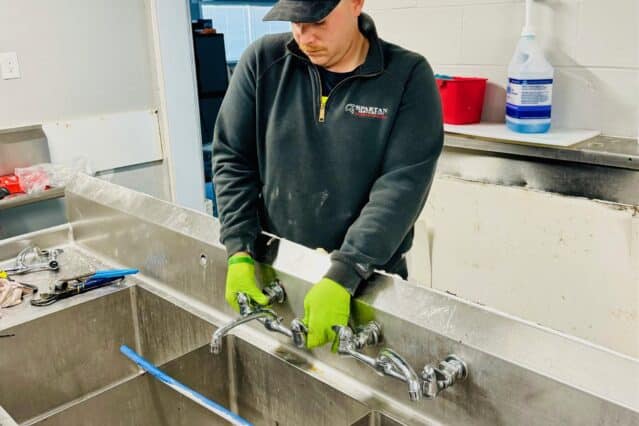
Summer has a way of exposing every weak point in a house. Air conditioners run hard, sprinklers stay on longer, kids are home more often, guests come and go, and kitchens and bathrooms suddenly see a lot more traffic. Drains that seemed mostly fine in March can turn sluggish by July. What changes is not only how often the plumbing gets used, but what goes down it. More cooking, more showers, more laundry, more outdoor cleanup, more sand, more grease, more soap residue, more hair, more organic debris. That combination is exactly why Residential Drain Cleaning becomes more important in warm weather.
Homeowners often think of clogged drains as random annoyances. In practice, they are usually predictable. The warning signs build over time. Water drains a little slower after a barbecue weekend. The guest bathroom develops a faint odor during a humid stretch. The kitchen sink gurgles after a big family dinner. Outside, a patio drain struggles during one heavy summer storm because it has been collecting leaves and grit since spring. None of these are unusual on their own. Taken together, they point to a plumbing system under seasonal stress.
Summer plumbing problems also tend to arrive at inconvenient times. A backed-up kitchen sink during a holiday gathering, a shower drain that overflows when relatives are staying over, or an overflowing floor drain after a thunderstorm never feels minor in the moment. Preventive drain cleaning is rarely dramatic, but it is one of the simplest ways to avoid the expensive version of those situations.
Why warm weather changes drain behavior
Temperature does not clog a drain by itself, but it does affect what happens inside pipes. Grease is a good example. People often assume warm conditions keep grease flowing. For a short distance that can be true, especially right after hot water runs. Then the grease cools, coats the inside wall of the pipe, and starts catching food particles. Summer cooking usually makes that worse. Outdoor grilling, more frequent frying, heavier entertaining, and quick cleanups after meals all increase how much oil and fat reaches the sink.
Humidity plays a role too. In damp weather, slow drains and partially blocked traps can produce stronger odors. Organic buildup in kitchen and bathroom lines begins to smell more noticeable when the air is warm. Homeowners sometimes mistake that odor for a sewer problem when it is really a combination of biofilm, soap residue, and stagnant water in a drain that is not moving efficiently.
Usage patterns matter just as much as weather. When school is out and families are home more, shower and toilet use rises. Towels and swimsuits add more laundry cycles. Outdoor cleanup sends dirt, grass, and debris into utility sinks. If you have a finished basement, a vacation rental, or a multigenerational household, those seasonal swings can be even sharper. Pipes that handle average traffic without complaint often struggle when the daily load jumps by twenty or thirty percent.
Storms create another summer issue. Heavy rain can reveal blockages in area drains, downspout connections, garage drains, and basement floor drains. Even in homes without sewer backups, standing water outside can wash sediment into drainage points and leave behind a compacted mess. I have seen patio trench drains packed with a mixture of mulch, silt, and maple seeds so dense it behaved like wet concrete.
The drains that usually cause trouble first
Kitchen sinks tend to top the list because they collect the messiest combination of materials. Grease, starch, coffee grounds, food scraps, and dish soap create a layered buildup that narrows the pipe over time. Garbage disposals add convenience, but they do not eliminate waste. They only chop it smaller. If anything, they can https://maps.app.goo.gl/mX11CYkbb5ZNxz8o6 encourage people to send down materials that should have gone into the trash or compost.
Bathroom drains are a close second, especially in busy households. Hair, soap scum, toothpaste residue, and skin oils combine into a stubborn mass that clings to the drain body and trap. In summer, sunscreen and heavier body products can make the residue more waxy. It does not take much to turn a normal shower drain into a slow one, especially if long hair is involved.
Laundry drains deserve more attention than they get. Extra loads from beach towels, sports uniforms, guest linens, and summer bedding can send lint and detergent residue through the standpipe at a higher rate than usual. Newer washers drain fast. If the line is already partially restricted, the standpipe can overflow with very little warning.
Outdoor drains, utility sinks, and basement floor drains round out the common trouble spots. These are often out of sight and easy to forget. That is exactly why they become a problem. Debris settles quietly until one hard rain or one large cleanup job pushes the system past its limit.
What preventive Residential Drain Cleaning actually does
A proper cleaning is not the same thing as pouring a bottle of chemicals into a pipe and hoping for the best. Effective drain cleaning removes or breaks apart the material that has adhered to the pipe wall, restores flow, and gives you a chance to spot bigger issues before they become emergencies. The method depends on the drain, the pipe material, the age of the home, and the type of blockage.
For a bathroom sink or shower, mechanical cleaning is often the right first move. A hand auger or small power snake can remove hair and soft blockage without abusing the piping. In a kitchen line, a professional may use a larger cable machine with the correct cutting head to clear grease and food buildup. In some cases, especially where recurring buildup is a problem, hydro jetting can clean the pipe wall more thoroughly. That said, hydro jetting is not a one-size-fits-all answer. Older or fragile pipes, certain offsets, and poorly repaired lines require judgment. More pressure is not always better.
One of the biggest benefits of preventive cleaning is that it changes the conversation from emergency response to system management. When a plumber clears a drain under controlled conditions, there is time to evaluate how severe the buildup was, whether tree roots are present in the main line, whether a belly or misalignment may be contributing, and whether the issue is likely to return soon. That context matters. A slow kitchen sink caused by six months of grease buildup is very different from repeated backups caused by a broken section of sewer line.
The warning signs homeowners should not ignore
Most bad clogs announce themselves early. The challenge is that people adapt. They stop filling one sink basin all the way. They jiggle the tub stopper. They run extra hot water after washing dishes. They keep a plunger nearby and call that normal. Those habits hide the problem rather than solve it.
If you notice any of the following, the drain is asking for attention:
- Water drains noticeably slower than it did a month or two ago.
- Gurgling sounds happen after sinks, tubs, or washing machines empty.
- Odors rise from drains, especially in the kitchen or lower levels.
- One fixture affects another, such as a tub bubbling when a toilet flushes.
- You have needed the same drain cleared more than once in a year.
That fourth sign is particularly important. When one fixture influences another, the issue may be deeper in the branch line or even the main line. Summer is not the time to wait and see how that develops.
Why chemical drain cleaners often make summer problems worse
Chemical products stay popular because they promise speed. Sometimes they appear to work, at least enough to restore partial flow. The trade-off is that they rarely remove the full blockage. More often, they burn a channel through it. The remaining material hardens, catches new debris, and the drain slows again. Then the homeowner uses another bottle. By the time a plumber gets involved, the line may still be clogged and full of caustic residue.
That creates risks. Chemical cleaners can damage certain piping, soften old joints, harm finishes, and create a hazard for anyone opening the trap or snaking the line. In warm weather, when drains are already handling more volume, a partially treated blockage can become a full stoppage quickly. I have seen kitchen traps so packed with grease and chemical sludge that they had to be replaced rather than cleaned.
Mechanical cleaning and targeted professional methods cost more up front than a bottle from the hardware store, but they tend to solve the actual problem rather than postponing it. For homeowners trying to keep plumbing maintenance predictable, that difference matters.
Summer habits that clog drains faster than people realize
The seasonal pattern is familiar. A cookout ends and greasy pans get washed in a hurry. Guests rinse off sand and sunscreen in the hall bath. Children come in from the yard with dirt on their shoes, and that dirt ends up in a mudroom sink. Someone cleans a cooler, pours melted ice and food bits into the kitchen drain, and follows it with a splash of soap. None of these moments seems serious, but plumbing problems usually build from ordinary behavior repeated often.
In kitchens, grease is the obvious offender, but starches are nearly as troublesome. Pasta, rice, potato residue, and flour-based mixtures swell and cling inside lines. Coffee grounds are another classic problem. They do not dissolve, and they combine with grease into a dense sludge. Disposal units can hide the problem because they reduce scraps to smaller particles, but those particles still have to travel through the pipe.
Bathrooms have their own summer-specific issues. Thick lotions, sunscreens, exfoliating products, and shaving residue all leave deposits. If a household uses bath bombs or oil-heavy products regularly, the tub line can narrow faster than expected. Add hair to that mix and the trap becomes a collection point.
Outdoor areas create less obvious strain. Patio drains collect pollen, mulch fragments, soil, and plant debris. Garage drains catch grit from tires and driveways. Utility sinks become all-purpose cleanup stations for paintbrushes, mop water, gardening tools, and pet washing. The plumbing connected to those fixtures is often robust, but it is not invincible.
A practical seasonal approach for homeowners
Preventive drain care does not require obsessive maintenance. It does require attention at the right moments. Early summer is a smart time for a simple inspection of the drains you use most and the drains you usually forget. That means noticing flow speed, checking for odors, and looking at strainers, traps, and accessible cleanout areas if you have them.
A sensible summer routine usually looks like this:
- Clear hair and debris from sink, tub, and shower strainers weekly.
- Keep grease, coffee grounds, and starchy food waste out of the kitchen drain.
- Flush little-used drains with water so traps stay full and odors stay down.
- Check outdoor drains after storms and remove visible leaves, silt, and mulch.
- Schedule professional cleaning if a drain has recurring slowdown, odor, or noise.
That last point is where many homeowners save themselves money. A routine service call for Residential Drain Cleaning is usually far less disruptive than an emergency visit on a weekend when the kitchen sink will not drain at all.
When a simple cleaning is enough, and when it is not
Not every slow drain means a serious plumbing defect. Many do respond well to straightforward cleaning. A shower line blocked by hair, a kitchen branch line narrowed by grease, or a laundry drain restricted by lint can often be restored with the correct equipment and a bit of time. If the drain then performs normally for a long stretch, the problem was likely buildup and usage.
Recurring issues tell a different story. If the same drain clogs again within weeks or a few months, that is a clue. Either the line was not fully cleaned, the household habits are feeding the problem too quickly, or there is an underlying condition such as poor slope, root intrusion, scale buildup, or a damaged section of pipe. Main line issues are especially likely if multiple fixtures are affected, if backups occur at the lowest drains first, or if heavy rain seems to make the problem worse.
This is where inspection can matter. A camera inspection is not necessary for every service call, but it is valuable when symptoms repeat or when the home is older. It gives a direct look at whether the pipe is simply dirty or structurally compromised. That distinction affects everything from the cleaning method to the long-term plan.
Older homes, large families, and summer rentals need special attention
Older homes often have a narrower margin for error. Cast iron can develop rough interior scaling that catches debris. Clay sewer lines may invite root intrusion. Older galvanized piping, where it still exists on drain-adjacent systems, may contribute to chronic flow issues. Even if the house has been partly updated, one older section in the wrong place can turn routine summer use into a problem.
Large households create a different set of conditions. More showers, more dishes, more laundry, and less downtime between uses mean buildup forms faster and small restrictions become visible sooner. Vacation rentals and homes that host summer guests can be even more unpredictable. Guests do not know the quirks of the house. They may flush wipes, overuse disposals, or wash unusual materials down the sink without realizing the risk.
For these homes, preventive scheduling is often worth it. A drain line that is cleaned before the busy season is less likely to fail during the busiest weekend of the year. That is not a guarantee, but it shifts the odds in your favor.
What to expect from a professional service visit
A good drain cleaning visit should feel methodical, not rushed. The first step is usually asking the right questions. Which fixtures are affected, how long has it been happening, did it begin suddenly or gradually, has anyone used chemicals, and does weather seem to influence it. Those details help narrow the problem before any equipment comes inside.
From there, the work should match the situation. A skilled technician chooses cable size, head type, and cleaning method based on the drain and likely blockage. Protecting the home matters too. Floors should be covered, fixtures should be handled carefully, and the work area should be cleaned up afterward. If the line has a history of repeat problems, that should be discussed honestly, along with whether further inspection makes sense.
Homeowners should be wary of two extremes. One is the very quick “clear” that gets water moving but leaves most buildup behind. The other is the aggressive upsell that treats every clog as proof of catastrophic pipe failure. Most summer drain issues sit somewhere in the middle. They need proper cleaning, practical advice, and occasionally a deeper look, not panic.
The cost of waiting too long
A slow drain is easy to postpone because it still sort of works. The real costs show up later. Water damage under sinks, stained cabinets, swollen baseboards near an overflowing tub, ruined rugs in basements, canceled gatherings, emergency rates, and the stress of losing the use of a key fixture at the wrong time all add up fast.
There is also the sanitation issue. Backups from kitchen lines, laundry drains, or main lines are not clean water events. Once wastewater crosses onto floors or into finished spaces, the cleanup becomes more involved. What could have been handled as routine Residential Drain Cleaning turns into extraction, disinfection, drying, and repair.
Summer has enough surprises already. Plumbing should not be one of them. A little preventive attention, especially to the drains that work hardest, can keep the season focused on guests, meals, yard work, and ordinary life instead of buckets, towels, and urgent service calls. The best time to deal with a drain problem is usually before it becomes one.
Spartan Plumbing Services
Address: 760 107th St S, Tacoma, WA 98444
Phone number: +12534998773
FAQ About Residential Drain Cleaning
How much does it cost to have someone clean your drains?
Professional drain cleaning costs between $147 and $352 on average, with most homeowners paying around $246. The final price is heavily determined by the type of drain affected, the clearing method needed, and your geographic location.
How much does it cost to clean a drain line?
Professional drain cleaning costs between $147 and $352 on average, with most standard residential jobs landing right around $246. However, your final bill can scale from $100 to over $800 depending entirely on which drain is clogged and the method required to clear it.
Is professional drain cleaning worth it?
Yes, professional drain cleaning is worth it because it clears deep buildup and prevents expensive plumbing emergencies.